
Wars over general semantics
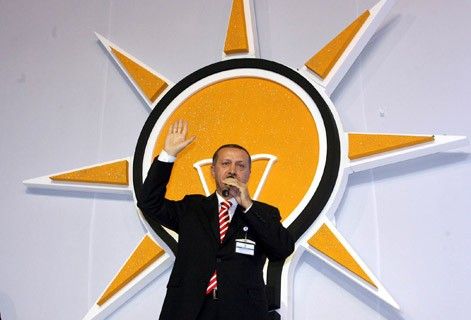
Niyazi Dalyancı “The abbreviated form of Justice and Development Party is AK Parti, not AKP. It is compulsory for everybody to write it this way. Those who are not writing it in this way, they are devoid of manners. You are obliged to refer to me by my legal name. Otherwise it’s slander,” exploded Prime Minister Tayyip Erdogan at a meeting of mayors in Ankara. Mentioning his party as AKP in democratically unethical because in the foundation documents at the Supreme Court, his party’s title is initialed as AK Parti, he argued. “AK represents there immaculacy. It expresses both justice and development. AK has introduced cleanliness to the politics in our country. No doubt we do not respect those who say AKP,” explained Erdogan. By the way, “Ak” means “White” in the Turkish language. Erdogan’s harangue sparked yet another absurd exchange of angry words between Turkey’s politicians. Deniz Baykal, the leader of the main opposition Republican Peoples Party (CHP) reacted to Erdogan from Nigde, where he was on a visit. “Let us both lift the parliamentary immunity and see who is white and who is black,” retorted Baykal. “Anybody can say whatever he likes; you have accepted it for seven years, why are you complaining now?” Baykal asked. Later in the week Baykal on went on pursuing the argument. “It seems that as the party gets increasingly soiled, they feel the need to emphasize the fact that they are white,” said Baykal addressing his deputies in the parliament. Second person singular, second person plural “You cannot address a party leader in the second person singular,” Erdogan continued the fight over language, addressing himself to Baykal at his party’s local congress in Kayseri. “I am addressing you as ‘sayin,’ (an expression in Turkish that roughly means ‘respectable’ in addressing another person) […]