HaberVs

HaberVs

Are foreign correspondents telling us the truth?

Aslı TUNÇ “This is not what is actually happening in Greece right now” she said surely. That sentence was enough to ruin all my efforts to impress my Greek friend. I was trying to show off that I was following all the news coverage about the Greek local and regional elections during the weekend. But with a few to-the point analysis, she basically nullified everything I had read about the election results in the Western media. However, the news items I managed to find about the Greek local elections were all in English-language mainstream newspapers and websites of major news outlets. They quickly jumped on the bandwagon praising the Prime Minister George Papandreou’s leading skills in his bruised and battered country in the midst of a severe financial crisis. By interpreting the election results as the victory of the ruling PASOK party, the coverage claimed that he had survived this big test successfully. According to my Greek friend, it wasn’t that simple. The coverage of the American and British media was lacking the depth, the factual details by having an obvious bias in favor of IMF-backed government.The important point of course is not the Greek politics but how shallow, simplistic and even distorted mainstream Western media can portray an unfamiliar land. Oftentimes I feel the same way when I read about Turkish social and political issues and debates from a foreign perspective. Most of the time a feeling of frustration fills my heart.If we think about the reasons of this situation, the first thing comes to mind is the severe cutbacks in international news coverage in print and broadcast journalism. Coverage of international news from most of the countries declined significantly in recent years in response to corporate demands for larger profits and an increasingly fragmented audience. Those cutbacks led […]

A visual art with social content: Contemporary dance

Celine Orman The performer on the stage walks with a long, black twine following him stuck under his shoe. He takes off his shoe but the black string continues to follow him. Then he takes his socks off, freeing himself from the black twine that insistently comes after him. This is a scene from a show of contemporary dance that took place within the context of IDANS Contemporary Dance and Performance, the only international, interdisciplinary festival of visual and live arts in Turkey.The events were presented during October. The festival continues with additional events until the end of 2010. With cosmopolitanism as a theme the festival filled stages and streets with 154 artists, 41 projects and over 50 performances during the month. But who are the ones who watch these events? I went to the weekend’s performances to explore the contemporary dance scene in Istanbul. A big audience for two solo-performancesThe contemporary performance art scene in Istanbul is mainly based in Garaj Istanbul, a non-profit organization with a venue in Beyoglu. Most of the IDANS events took place there. But I went to one at Mimar Sinan University, Bomonti campus, which is not quite far from the city centre. It surprised me to see that so many people had found their way to watch the premier of two solo performances on Friday evening. I got the feeling many of them were friends of each other and the performers. Another part of the audience was composed of foreigners, most probably connected to the festival; the third part seemed to be students and dancers. Suddenly the doors opened and everyone headed into the theater. My investigation of who in Turkey would be interested in this branch of visual art had to wait. A personal dance experienceThe first piece called SITE was performed […]

Multilingual documentaries where words don’t matter

Katti Djisuk Schroeter Last week 45 young filmmakers from all over Europe came to Istanbul, their freshly shot documentary material with them, ready for editing and eventually screening. What made their project called “Istanbul Express” extraordinary was scores of languages spoken in their films shot in 18 different countries which they crossed on board trains. The participants met in three European cities: Tallinn, San Sebastian and Turin. Divided into groups of three filmmakers (director, cinematographer and sound engineer), they made 15 short documentaries within three weeks on their trains to Istanbul and also during the last week in Istanbul. They stopped in a total of 24 cities, in 18 different countries for shooting. Six days before showing their work the film teams arrived in Istanbul; less than one week left for editing the multilingual material they shot. On Friday, October the 15th, they showed to an audience, equally multilingual and multicultural, the results of their three-week journey. In the French Institute they screened the 15 short documentaries. The young participants were from Portugal, Spain, the UK, Scotland, Belgium, France, the Netherlands, Switzerland, Germany, Finland, Sweden, Denmark, Romania, Poland, Hungary, Estonia, Croatia, Bulgaria and Turkey. The documentary making was supervised by tutors, producers and coordinators who counseled the participants while shooting and editing. Diverse film making approaches Having the theme of multilingualism in common, the films, each about 15 minutes, had very different approaches: Some had a lot of talking heads in them, for example a documentary film about the inventor of the language ‘Slovio’ – an international language put together by elements of all Slavic languages as a counter reaction to the dominance of English. Some others were just observational, the camera only watching their protagonists without asking questions or intervening in an interviewing way. For example, a film about […]

Siviller “merhabarev” dedi

Geçen yılın sonlarında Türk dış politikasında son dönemin en temel kırılmalarından biri yaşanmıştı; Ermenistan’la normalleşme süreci. İki ülke milli takımları arasında 2008 yılında oynanan iki maçla başlayan futbol diplomasisiyle Cumhurbaşkanları biraraya gelmiş ve süreç meyvelerini vermeye başlamıştı. Ertesi yıl İsviçre’nin arabuluculuğuyla sürdürülen Türkiye-Ermenistan görüşmelerinde bir noktaya kadar gelinmiş ve protokoller imzalanmıştı. Protokole göre Türkiye’nin Karabağ sorunu nedeniyle yıllardır kapalı olan sınır kapısı açılacak ve hatta karşılıklı diplomatik temsilcilikler faaliyete geçecekti. Çeşitli komisyonlar kurulmasını da içeren protokoller paraf edilse de arkası gelmedi. Ermenistan’la normalleşme süreci, beklentilerin aksine askıya alındı. Siyasilerin anlaşmazlıklarının çözümünü beklemenin vakit kaybı olduğunu düşünen ve iki halkın yakınlaşmasının toplumlar arası yürütülecek diyalog kanallarıyla mümkün olduğunu düşünenler, Ermenistan’ın başkenti Erivan’da biraraya geldi. Ermenistan’daki Kafkas Enstitüsü ile Heinrich Böll Stiftung Derneği Güney Kafkas ve Türkiye ofislerinin Erivan’da ortaklaşa düzenlediği, Ermenistan ve Türkiye’den sivil toplum örgütleri temsilcilerinin katılımıyla gerçekleşen Ani Diyalog Toplantıları 14-17 ekim tarihleri arasında yapıldı. Programın açılış konuşmalarında iki ülke ilişkilerinin temelde sivil halkın bir araya gelerek ortaya koyabileceği projelerle gelişebileceği özellikle Türkiye’nin bu konuda hızlı bir ilerleme gösterdiği vurgulandı. Ermenistan Ulusal ve Uluslararası Çalışmalar Merkezi (ACNIS) Kordinatörü Richard Giragosian siyasi müzakere ve ilişkilerin kamuoyuna yönelik bir popülerlik aracı olduğunu belirttiği konuşmasında sorunların çözümünün geçmişin esiri olmamakla gerçekleşeceğini ve diyalogun sorunların çözümünde tek yol olduğunu söyledi. Kafkasya Enstitüsü Başkanı Alexandar İskandaryan da fiziki olarak kapalı olan sınırların ortak niyetlerin önüne geçemeyeceğini belirtti. Tüm konuşmacıların bir diğer ortak vurgusu ise kapalı sınırların bir an önce açılması gerektiğiydi. Siyasetçilerin sadece siyaset yaptığını ve iki ülke ilişkileri konusunda samimi davranmadığını düşünerek yola çıkan iki ülkeden farklı sivil toplum temsilcileri siyasetçilerin tıkadığı diyalog kanallarının nasıl açılabileceğini tartıştı bu toplantılarda medya ve gazetecilik, kültür ve miras, eğitim ve araştırma, insan hakları ve demokrasi ile çevre başlıkları altında farklı çalışma alanlarında bulunanların bir araya geldiği katılımcılar barış dilinin hakim kılınarak Türk-Ermeni ilişkilerinin nasıl kurulacağını tartıştı. […]

Yetti de arttı!

Referandumun tozu dumanı yeni yeni dağılırken, yapılan Anayasa değişikliği üzerine gerçekleştirilen Hakimler ve Savcılar Yüksek Kurulu (HSYK) seçimleri ortalığı karıştırdı. Referandum öncesinde “hayır cephesinin” en önemli argümanı olan ve kısaca “iktidarın yargıyı ele geçirme planı” diye anlatılanların bir paranoya olmadığını ortaya koyan bir seçim sonucu yaşandı HSYK’de. Malum herkesin bildiği üzere seçimleri Adalet Bakanlığı’nın listesi diye bilinen adaylar kazandı. İlginç olan ise seçimlerden 2 gün önce 15 Ekim 2010’da Sözcü gazetesinde yayımlanan bir haberde Başbakan Tayyip Erdoğan’ın talimatıyla seçimleri kazanacak kişilerin kimler olduğuna ilişkin bir liste yayımlanmasıydı. YARSAV Başkanı Emine Ülker Tarhan da benzer bir listeden bahsederek seçimleri kazanacak adayların önceden belirlendiğini iddia etmişti. 17 Ekim 2010 günü yapılan seçimlerde iki iddiayı da doğrulayan bir sonuç çıkmış, ne YARSAV ne de Demokrat Yargı Derneği adaylarından hiçbiri seçilememiş ve Adalet Bakanlığı’nın listesi tulum çıkarmıştı. Adalet Bakanlığı her ne kadar kendi bürokratlarının da içinde olduğu listeyi desteklediği iddialarını reddetse de, listedeki tüm isimlerin önceden kimi çevrelerce dile getirilmiş olmasına karşın HSYK üyeliğine seçilmesi iddiaları doğrulamış oldu. 22 üyeden 17’si hükümet yanlısı AKP iktidarının başlangıcından günümüze dek yüksek yargıyla olan gerilimli ilişkileri, HSYK’nin yargı kökenli üyelerinin Ergenekon soruşturmalarında görev alan hakim ve savcılara ilişkin önerdiği talepler dolayısıyla açık bir mücadale alanına dönüşmüştü. Anayasa değişikliğiyle yapısal değişikliğe gidilen ve ayrı bir sekretarya, bütçe ve binası olan HSYK’ye Teftiş Kurulu da bağlanıyordu. Zaten özellikle referandumdaki “evet” cephesinin de en çok savunduğu bu değişimdi. Bu düzenlemelerin yargı bağımsızlığının önünü açacak önemli gelişmeler olduğu yorumları yapılmıştı. Ancak seçim sonuçlarından sonra ortaya çıkan tablo bütün bu düzenlemelerin yarattığı beklentileri boşa çıkardı. Yeni yapısıyla HSYK, adeta Adalet Bakanlığı’nın bir alt birimi haline gelmiş oldu. Çünkü HSYK’nın 22 asıl üyesinden 10’u Adalet Bakanlığı’nın desteğini alan hakim-savcılardan oluşurken geriye kalanlardan 4 üyeyi Cumhurbaşkanı, 1 üyeyi Adalet Akademisi, 3 üyeyi Yargıtay ve 2 üyeyi de Danıştay seçecek. Adalet Bakanı ve müsteşarının da […]

Fanfare of running from Asia to Europe

Julia Hagmair “I signed up for the run because I love running. After the first few steps on the bridge I was fascinated by the view and forgot about running. I started walking and just enjoyed the great impression of going from Asia to Europe.” These were the first words a German girl said after crossing the finish line at the 32nd Euroasian Marathon in Istanbul. People still can share impressions as the German contestant. But the pattering of over 100,000 feet created dangerous vibrations that caused the Bosporus Bridge to swing and sway dangerously. Monday’s official statement confirmed that the bridge’s lighting posts that were seen swaying left to right during the marathon was not a sign of danger or any damage to the suspension bridge. Binali Yıldırım, Transportation Minister tried to explain the swinging as a natural behaviour of bridges, “Suspension bridges swing. There was no danger alert from the monitoring devices. Suspension bridges do swing,” he said. For the 32nd time Istanbul with its well known Bosporus Bridge enabled once again thousands of people from all over the world to run from Asia to Europe. Winner of the marathon was Kenya’s Vincent Kiplagat who broke the record of Istanbul Marathon history with 2 hours 10 minutes and 39 seconds. He was followed up by two Ethiopians. Ashu Kasım (2:27:25) finished as fastest female runner. Streets closed to motor traffic On Sunday, 17th of October from 7 a.m. to 2.30 p.m. parts of the main roads through Istanbul had been closed to motor traffic for the 32nd Eurasia Marathon, a 15 km Run for the athletes and Fun Run for the public. Instead of car crowded streets professional athletes and handicapped runners, girls and boys, young and old from Turkey and abroad took over the streets. The main […]

Wig sellers not worried about relaxed headscarf ban

Iva Hromkova A recent decree by the Board of High Education (YOK) relaxed the ban on headscarf wearing women students to attend classes at the universities. While the ban was still in force, students were circumventing it by wearing wigs to enter classes in order to obey what they termed as the prerequisite of their Islamic faith and continue their studies at the same time. To find out how the YOK decree would affect the wig sellers we visited several shops lining the main street running from Taksim to Sishane and interviewed headscarf wearing students on the campus. Murat Ozdemir, 29, owner of a store with a large selection of wigs near Taksim was confident that the YOK decree would not have a notable effect on his sales. “Most women come to buy wigs at the beginning of the school year. I don’t think some law would change this habit anytime soon,” he said. The wig business is really not as big as one would expect, he pointed out. Selling special wigs called “tesettur peruk”, according to Ozdemir, is just a small part of the artificial hair business. Headscarf wearing women students confirmed Ozdemir’s comments. “If we are not allowed to wear our hijab (headscarf) at a particular school, we just choose another one. We don’t want to wear wigs,” said a student at Bilgi campus. “We have never worn a wig and we even don’t know anybody who does,” she added. The headscarf ban still remains in government offices for employees. Economic crisis is more effective Another wig seller, Kasim Celik, 34, declared that the economic crisis is more effective in his sales than the relaxation of the headscarf ban for university students. “If the headscarves are allowed, women will not need wigs anymore. But they may decide to […]

Stuck in Purgatory: Identifying Unclaimed Bodies on TV

Aslı TUNÇ It was a usual working day in my office at the university until our lovely Student Affairs director Ms. Sunal stepped in. “You’ve got to see this” she said in a troubled voice. She has always been extremely helpful to update me about recent Turkish TV programs which I was normally unaware of. She immediately clicked on a video link on my computer. We began to watch a TV show on Flash TV from the previous night. After fifteen minutes of staying fixated on the screen, I could hardly release my breath and utter a single word: “unbelievable!” It really was. Mrs. Sunal left my office after I promised her to write about it.This program is called Aradakiler which means “stuck in purgatory”. The host of this reality show is Yalçın Çakır, a Turkish equivalent of Jerry Springer in the US. Mr. Çakır has a reputation to be an outrageous TV host who pushes the limits of the reality programming. He loves to entertain the public by shocking them at the same time. Not surprisingly, his target audience lives at the outskirts of the city with low education and income level. In fact those masses turned him into a public hero in quest for justice for years. He tried various reality show formats on Flash TV where he pretended to be the voice of the people who had lost their hopes on the justice system. However, everything was for higher and higher ratings in the gutter of television industry.Aradakiler was one of the most recent TV attempts of Yalçın Çakır where his aim was finding the relatives of unidentified and unclaimed dead bodies. On Flash TV’s official website, the program is defined as a big help to decrease the numbers of unclaimed bodies in the overcrowded city morgues […]

Rights are not granted you have to fight for them

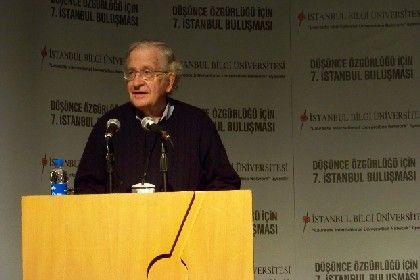
Celine Orman & Reeta Metsänen “Rights are not granted but won by a dedicated struggle waged by the people.” This was the tenor of the 7th Gathering of Freedom of Expression that took place at Bilgi University’s Dolapdere Campus, 8-10th of October. The guest of honor was the famous American linguist and activist Noam Chomsky. Prof. Richard Falk of Princeton and Hilal Elver, professor of international law from Stanford University, Prof. Turgut Tarhanli, the Dean of Bilgi’s School of Law, journalists and writers from several countries participated at the discussion, talking about the present situation in their respective countries and sharing their opinions on global issues of freedom of expression and alternatives for the future.Some of the speakers were themselves victims or witnesses of freedom of expression violations, others representatives from Human rights organizations such as PEN and Amnesty International whom all expressed their views and experiences in order to visualize a global overview, in an effort to see clarify the source of all the problems, and what could be done to solve them. Falk: “Neo-liberal media gives more space to neo-fascist statements.” Prof. Falk was critical of the neo-liberal media saying that it allocates more space to neo-fascist statements. “It’s leaning far to the right according to controversial voices,” he said. He also pointed out that although the internet provides for a pluralistic discourse, it has also become an interface of commercial exploitation. Hrant Dink, the Turkish-Armenian journalist, killed in January 2007 because of challenging the political system in Turkey, was taken as an example of the brutal consequences of expressing critical opinions against the mainstream. Fethiye Çetin, the lawyer of Hrant Dink, explained in her speech that the lack of empathy and understanding was the main reason for his murder. People intimidated by fear and the negligence if […]

‘Türkiye’de direniş geleneği hâlâ yaşıyor’

Düşünce Özgürlüğü için İstanbul Buluşması’nın onur konuğu Amerikalı dilbilimci Prof. Noam Chomsky geçtiğimiz hafta sonu İstanbul Bilgi Üniversitesi Dolapdere Yerleşkesi’nde verdiği konferansta düşünce özgürlüğü konusunda Türkiye’yi cesaretlendirdi. Chomsky Amerika’da olduğu gibi, Türkiye’de de çok ciddi insan hakları suçları olduğunu belirtirken bir yandan da bir direniş geleneğinin hla yaşadığını söyledi. Chomsky, “Türkiye’de çok ağır cezalar almayı göze alarak bu ihlallere direniyorlar, oysa batıda bunu göremezsiniz.” şeklinde konuştu. Düşünce Özgürlüğü için İstanbul Buluşması, farklı ülkelerden gelen katılımcıların, düşünce özgürlüğünün küresel sorunlarını tartışmak ve çözümler üretmek için bir araya geldikleri bir toplantı dizisi. Buluşma, ilk olarak 1997 yılında 11 ülkeden, 19 yazar ve 2 gözlemciden oluşan bir grubun, Türkiye’deki bin 80 aydının ifade özgürlüğü için başlattığı sivil itaatsizlik eylemine destek olmak için, İstanbul’a gelmesiyle başlamıştı. Konuklar; İstanbul’daki yazarlar, hukukçular ve akademisyenlerle toplantılar yapmış, cezaevlerindeki düşünce suçlularını ziyaret etmiş ve gözlemci olarak duruşmalara katılmışlardı. Bu yıl 7.si gerçekleşen organizasyon da 8 Ekim’de “Kontrgerilla ve Ergenekon’u Anlama Kılavuzu” ve “Ergenekon’da Kim Kimdir?” kitaplarının yazarı Ertuğrul Mavioğlu ve Habervesiare editörü Ahmet Şık’ın davasının izlenmesiyle başladı. “Soruşturmanın gizliliğini ihlal” iddiasıyla iki gazetecinin hapsi istenen dava 21 Ocak 2011’e ertelendi. hapisleri isteniyor. Organizasyonun 9-10 Ekim tarihlerinde, İstanbul Bilgi Üniversitesi Dolapdere kampüsünde gerçekleşen kısmında ise, Ukrayna, Gürcistan, ABD, Rusya ve Azerbaycan’ın da içinde bulunduğu birçok ülkeden katılan konuklar, yaşadıkları yerlerden örnekler vererek düşünce özgürlüğü için bir tartışma platformu oluşturdular. İlk Bölüm Hrant Dink’in Buluşmanın ilk bölümü; Türkiye’nin düşünce özgürlüğü ihlali bakımından, yakın tarihteki en acı örneklerinden Hrant Dink’e ayrılmıştı. “Düşünce Suçu(!?)’na Karşı Girişim”den Şanar Yurdatapan, Dink’i “Hala bize yardım ediyor.” şeklinde anarken, gazeteci Kemal Göktaş medyanın cinayetteki rolünden söz etti. Göktaş konuşmasında, Hrant Dink’in, Atatürk’ün manevi kızı Sabiha Gökçen’in Ermeniliği ile yaptığı haberin Hürriyet’te manşetten verilşinin ardından, dönemin Genelkurmay Başkanı Hilmi Özkök’ün, Dink’i hedef gösteren bir açıklama yaptığını anımsattı. Göktaş medyanın, olaydan sonraki tutumunu değerlendirirken, Yeni Çağ, Batı Trakya […]

Üniversite-sanayi işbirliği artık medyada

İstanbul Bilgi Üniversitesi İletişim Fakültesi Medya ve İletişim Sistemleri bölümü yüksek Lisans Programı (M&İS) medya alanında “üniversite-sanayi işbirliği”ni hayata geçirerek kendi alanında bir ilke imza attı. Türkiye’de bir başka örneği olmayan Medya ve İletişim Sistemleri Yüksek Lisans Programı, öğrencilere akademik altyapının yanında sektörle buluşma imkânı da sağlıyor. M&İS, program ortakları Doğan TV Holding, Doğuş Yayın Grubu, Ipsos KMG, TESEV, Atlantis Yapım ve İndeks İletişim-İçerik Danışmanlık yöneticileri ile öğrencileri 27 Eylül Pazartesi günü Santral Kampüsü’nde program ortaklığı imza töreni için biraraya geldi. M&İS Program Direktörü, Doç. Dr. Halil Nalçaoğlu, medya ve akademiyi bir araya getirmek için uzun süredir hazırlandıklarını, deyim yerindeyse “üniversite duvarlarını içeriden yıkmak için” çalıştıklarını söyledi. Nalçaoğlu, “Ortaklık fikri kesinlikle tek yönlü bir akış anlamına gelmiyor. Ortaklarımızı, programa öğrenci kabulünden öğrenci projelerini değerlendirmeye, kuramsal ve uygulamalı derslere katkı vermeye kadar her alanda içeriye davet ediyoruz. Biz akademisyenler de elimizden geldiği kadar dışarıya çıkmaya hazırız” diyerek tüm program ortaklarına teşekkür etti. Program ortaklarından Doğan TV Holding adına bir konuşma yapan İnsan Kaynakları Grup Başkanı Yasemin Merih de yüksek lisans programının sektörün ihtiyaçlarını karşılayacak donanıma sahip insan kaynağının ortaya çıkması için önemli olduğunu vurguladı Program ortakları Doğuş Yayın Grubu ve Doğan TV Holding, isteyen öğrencilerin eğitimlerinin ikinci yılında kurumlarda mezuniyet projesi üretmelerine olanak sunuyor. İndeks İletişim-İçerik Danışmanlık ve Atlantis Yapım’la da ortak olan M&İS, araştırma yapmak ve tez yazmak isteyen öğrencilere, bir dönemlerini önde gelen araştırma şirketlerinden Ipsos KMG’de araştırma yaparak veya TESEV’de (Türkiye Ekonomik ve Sosyal Etüdler Vakfı) çalışarak ya da İngiltere’de Liverpool Üniversitesi’nde ders alarak geçirme fırsatı da sağlıyor. Bu kapsamda program ortaklarına proje yapmak için giden öğrenciler, kurumun olanaklarından yararlanırken eğitimlerini sürdürecekler. Kurumdaki danışmanları ile Bilgi’deki danışmanlarının gözetiminde “multimedia projeleri” hazırlayan öğrenciler, öğretim yılı sonunda mezuniyet projelerini karma jüriye sunacaklar.

What’s Fatmagül’s fault: A mediated rape fantasy

Aslı TUNÇ I have been coming across her image on huge billboards along the sideways, on the public buses and on the facade of high rise buildings for the last few months. She was looking straight into our eyes with a seductive smile and slightly parted lips lying on her side with a package of potato chips in her hands. The slogan was “bir atımlık çıtır” in Turkish which can be read in a double meaning, one as “one shot of crunchy roll” or with an intended sexual innuendo as “a girl (‘chick’ actually) for one night stand”. The girl on the billboards was Beren Saat, the actress who got famous with the last season’s TV hype, Aşk-ı Memnu. Initially I thought she was just cashing in on her part in the serial with that 750 thousand dollar worth of chips commercial. But I was wrong. The entertainment industry obviously could not get enough of her. This television season’s big hit is “What’s Fatmagül’s Fault?” (Fatmagül’ün Suçu Ne?) airing on popular TV channel, Kanal D. Guess who the leading character is. After being presented as the one night stand chips girl for months, there she was in a role where she was being gang raped. In fact the powerful script about the class and gender issues and about how rich kids can get away with rape belongs to Vedat Türkali and adapted to screenplay in 1986. At the time, the movie version, played by Hülya Avşar and directed by Süreyya Duru had got good reviews. However, this time the script and the image of Beren Saat were in the hands of the greedy television producers where ratings meant everything to them. The ratings of the serial hit the ceiling especially with the gang rape scene at the end of first […]

58 percent versus 42

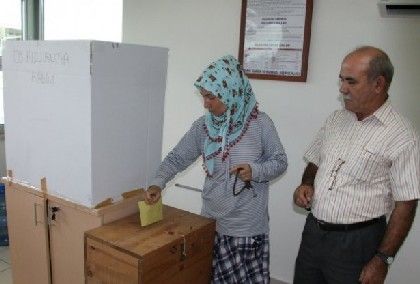
Niyazi Dalyancı Justice and Development Party’s (AKP) 26-article constitutional amendment package received the “yes” vote from 58 percent of the voters on Sunday’s referendum while 42 percent said “no.” However, there are signs that referendum results would not be able to stop the bickering between rival sections of the Turkish society over the amendments. Geographically voters in the Aegean and Mediterranean provinces and Thrace rejected the AKP proposals while provinces in Central Turkey and the Black Sea area appeared to support them. Southeastern provinces dominated by Turkey’s Kurdish citizens presented a different picture with low participation rate that might have been the result of Kurdish Peace and Democracy Party’s (BDP) boycott call and a very high rate of “yes” votes that went up to 90 percent in some constituencies. Hakkari, Turkey’s southeasternmost province that borders both on Iraq and Iran registered the lowest participation with only 9 percent. In Diyarbakir those who went to the balloting stations were only 35 percent of the total number of voters. Prime Minister Recep Tayyip Erdogan who voted in Istanbul, went to his local party headquarters on the banks of the Golden Horn after watching the FIBA World Cup final between the U.S. and Turkish national basketball teams along with President Abdullah Gul, Foreign Minister Ahmet Davutoglu and Egemen Bagis, minister in charge of European Union affairs. Turks lost the game 61 – 84 winning the runner up position after the US in the world championship. As the final ceremony was taking place, a group of spectators protested Erdogan and his ministers shouting slogans in support of secular Turkey. But this unpleasant incident seemingly did not perturb the prime minister who arrived at the AKP headquarters in a jovial mood to deliver a speech both to his cheering supporters and reporters. Erdogan in a […]

Constitutional referendum campaign in full swing

Niyazi Dalyancı Accusations, counter accusations, heated debates and lots of hot air have taken Turkey under their grip as political leaders crisscross the country addressing the crowds urging them either to vote “yes” or “no” for the 26-article constitutional amendment package for which the balloting will take place on September 12. Yes sayers claim that the package will free the nation from the yoke of a bureaucratic regime that has placed itself above the elected representatives of the people, namely the National Assembly, clear the last vestiges of the September 12, 1980 military coup and establish new rights for the working people, women, children and pensioners, put the military under the firm control of the civilian government and bring civil rights up to the level of internationally accepted norms. Nay sayers argue that the package has been tailored to suit the needs of the Justice and Development Party (AKP) of Prime Minister Recep Tayyip Erdogan, remove all the judicial controls over government practices opening the way towards a single-party, single leader autocratic regime in the country. They allege that once the package is accepted, the judiciary including the Constitutional Court and Supreme Board of Judges and Prosecutors (HSYK) will come under the full control of AKP, since President Abdullah Gul along with Erdogan and majority of the parliament will have the final say in majority of the appointments to these bodies. There are also those who campaign for boycotting the balloting spearheaded by the pro-Kurdish Peace and Democracy Party (BDP) that claims the amendments do not even mention the existence of the Kurdish people and ignore their demands. The main theme of Prime Minister Erdogan during his campaigning is that the package will settle accounts with the perpetrators of the 1980 coup. He accuses the nay sayers of siding with […]

Şırnak’ta, top peşinde koşmak

Ali Abaday* Referandummuş, askerler sivillere boyun eğmişmiş, evetçiler ile hayırcılar birbirine girecekmiş, yaz sıcakları daha da devam edecekmiş, ünlüler birbirleri hakkında konuşuyormuş… Boşver. Canım uzun süredir top oynamak istiyordu. Ama öyle halı sahada altışardan değil. Bildiğin mahalle arasında ya da eskiden mahallelerde olan boş alanlarda. Şimdilerde o boş alanları bulmak, çölde vaha bulmak gibi zor olduğundan asfalta bile razıydım. Ne var ki arabaların, şehrin yollarından fazla olduğu İstanbul’da her 10 saniyede bir kesilmeyecek maç yapmak da kolay değil. Bir de tabii artık büyümüş bir adamla maç yapmak isteyecek kaç çocuk var durumu… Yine de içimde acayip top oynama isteği vardı. Zaten susmuştum; yaşananlara, ülkede ve dünyada olanlara buğulu bir camın ardından bakar gibi bakıyordum. Yaz sıcağında ne yapacağını bilmez bir haldeyken, iki gün bir yere gideyim düşüncesindeyken, uzaktan gelen bir daveti kabul ettim. Bir süredir aklımda olan Şırnak’a, çocuk olmanın zor olduğu o topraklara gittim. Hava kararıp, güneş yerini aya bırakmak üzereyken girdiğim tozlu şehirde çok kısa sürede bir grup arkadaş buldum. Yaşları 8 ila 10 arasında değişen bir grup arkadaş. Kendi aralarında Kürtçe konuşsalar da benimle Türkçe konuşma nezaketini gösterdiler. Biraz sohbet ettik bakkalın önünde. İlginçtir, biz de küçükken bakkalın önünde muhabbet ederdik. Galiba herkesin bir bakkal önü muhabbet dönemi oluyor hayatta ya da oluyordu. Hava artık tam kararıyor derken de bir top geldi ayaklara ve ufaktan bir maç çevirdik. İçimdeki çocuk mutlu bir haldeyken ben yeni arkadaşlarımdan çalım yememeğe çalışıyordum. Kuru sıcakta biraz terleyerek bitirdik maçı. Güldük, fotoğraf çektirdik. Hayattan son bir kaç laf edip ayrıldık. O sırada birbirimizi bir daha belki hiç göremeyeceğimizi onlar değil ama ben düşünüyordum. Büyümenin kötü etkisi artık ayrılıkları bilmek ve onlardan hoşlanmamak. Top oynamak için saatlerce yol yapmış, top oynarken eskiden büyüklerin kapıldığı endişelere artık kendi kapılan biri olsam da anladım ki; bazen buğulu camları silmek için çocuk olmak ve sokakta top […]

Koyunlar küçülürken marmotlar büyüyordu…

HaberVs Küresel ısınmayla büyüyen marmotlar iklim değişikliğinin yeni habercileri. Küresel ısınmayla beraber kısalan kışlar, marmotların kış uykularından daha erken uyanmalarına, bu da hem beden ağırlıklarında hem de sayılarında önemli bir artışa yol açıyor. Imperial College London’da araştırma yapan Türk bilimadamı Dr. Arpat Özgül ve çalışma arkadaşları, dünyanın önde gelen bilim dergilerinden Nature‘da iklim değişikliği üzerine yeni bir makale yayımladı. Nature’ın bu haftaki sayısında kapak konusu olarak okurlarına duyurduğu bu araştırmada Dr. Özgül, büyük bir yersincabı türü olan marmotların küresel ısınma sonucu meydana gelen iklim değişikliğinden nasıl etkilendiğini inceliyor. Özgül, bir başka önemli bilim dergisi Science’da Temmuz 2009’da yayınlanan “İklim değişikliği ve küçülen koyunların sırrı” isimli makalesiyle bilim dünyasında ilgi uyandırmış ve dünyanın önde gelen yayın organlarında haber olmuştu. Lisans eğitimini Boğaziçi Üniversitesi İşletme Bölümü’nde tamamlayan genç bilim adamı çalışmalarına ekim ayından itibaren Cambridge Üniversitesi’nde devam edecek. Isınmayla büyüyen hayvan Küresel ısınmanın sebep olduğu düşünülen iklim değişikliği neticesinde gittikçe kısalan kışlar, marmotların kış uykularından daha erken uyanmalarına neden oluyor. Kış uykusundan eskiye göre daha erken uyanan marmotlar daha erken yavruluyor ve bir sonraki kış uykusuna kadar daha uzun süre beslenme şansı yakalıyor. Ortalama beden ağırlıklarının artmasıyla, kış uykusuna daha besili giren bireylerin hayatta kalma ve ertesi sene üreme şansları da artmakta. Tüm bu süreç, son birkaç yılda marmotların sayısının hızla artmasına yol açmış. İngiltere ve Amerikan üniversitelerinden bilim insanlarının ortak yürüttüğü bu araştırma küresel iklim değişikliğinin sebep olduğu mevsimsel değişimlerin bir hayvan türünün hem fiziksel özelliklerini, hem de popülasyon büyüklüğünü nasıl etkilediğini açıkça gösteren ender çalışmalardan birisi. Colorado’daki Kayalık Dağlar’da yaşayan büyük bir yersincabı türü olan sarı-karınlı marmotlar yılın soğuk ve sert geçen yedi sekiz ayını yeraltına kazdıkları yuvalarda kış uykusunda geçiriyor ve bu esnada beden ağırlıklarının yüzde kırkını kaybediyorlar. Kış uykusu öncesinde depoladıkları yağ, zorlu kış aylarında sağ kalmalarını ve sonrasındaki üremelerini belirleyen en önemli faktör. Makalenin baş yazarı Dr. […]

Biz Faroe’den Vikingur!

adlı taraftar sitesinde “Bir maniniz yoksa size gelecektik” başlığıyla yayınlanınca Vikingur takımına olan sempati de tavana vurdu. Ortalama 400 seyircisi olan Víkingur Gøta kulübünden gelen bu mektubu biz de aynen yayınlıyoruz… İyi olan kazansın Merhaba; Kurada Beşiktaş ile eşleştiğimizi öğrenince hem heyecanlandık hem de çok mutlu olduk. Elbetteki sizler asıl favori olansınız ama bu bizim gibi amatörler için belki de karşımıza hayatta ancak bir kez çıkabilecek bir tecrübe demek. Beşiktaş’ı daha önce gerek şampiyonlar ligi gerekse de UEFA kupası maçlarında TV’den izlediğimiz kadar biliyoruz. Takımınızın yıldızları ile tanışacak olmak bir onur; bu yüzden İstanbul’da oynamayı heyecan içinde bekliyoruz ama elimizden gelenin en iyisini yapmak ve Beşiktaş’ın yıldızlarına zorlu bir mücadele içinde geçirecekleri maç sunmak istiyoruz. Vikingur takımını ve gündelik yaşamını sizlere şöyle özetleyebilirim;Haftada 40 saat çalışıp bazen 4, bazen 5 gün olmak üzere genelde akşamları saat 6 ila 8 arası idman yapan işçileriz bizler. Yarı profesyonel ve amatörlerden oluşan bir takımız. Benim gibi bankada çalışanından, fabrika işçilerine kadar ve hatta hala eğitimine devam eden öğrencileri de barındıran bir takım. Toplam nüfusu iki bin olan birbirine yakın iki köyün takımları GÍ Gøta ve Leirvík ÍF’in iki yıl önce birleşmesi sonucu Vikingur olarak doğduk. Bu kulüpler küçük kulüplerdir ama özellikle GÍ Gøta gurur duyulacak bir geçmişe sahiptir ki Faroe’de altı şampiyonluk kazanmıştır. Fakat Vikingur daha ilk günden itibaren tam anlamı ile bir başarı hikayesidir çünkü kulüp mümkün olduğunca yerel sporcularla hayatta kalmak istiyor. Asıl amacımız her zaman için yerel oyuncuları kazanmaktır. Beşiktaş maçını başarı ile geçmenin bizler için büyük bir hedef olduğunun farkındayız, hatta çok büyük bir hedef. Fakat avrupa liginde Faroe futbolunu temsil edecek olmanın gururunu yaşıyoruz. Futbolu seven, forması için kalpten mücadele edecek olan bir grup işçi olan biz amatörler için bu durum muazzam bir şey. Bizler şu an Beşiktaş gibi uluslarası saygınlığı olan bir takıma karşı oynayacak olmanın önceliğine […]

Constitutional Court ratifies amendments with minor changes

News, etc. Turkey’s Constitutional Court passed 26 articles amending the Constitution with only deleting 33 words in two articles related to the election of members to the court itself and the Supreme Board of Judges and Prosecutors (HSYK). The Court’s decision made public by its chief Hasim Kilic after a secret session did not satisfy either the government or the opposition parties, according to reports in the Turkish media. The amendments passed by the Turkish Parliament in May mainly through the support of the ruling Justice and Development Party (AKP) had authorized the President of the Republic to nominate four members to the HSYK from among “academics from political sciences and economics and high-level administrators.” Following the changes made by the Constitutional Court, the President will be able to nominate members to the board only from among the jurists and lawyers. The Court also repealed the stipulation that members of the judicial bodies like bar associations, Supreme Court (Yargitay), Supreme Administrative Court (Danistay) and Supreme Court of Public Accounts (Sayistay) should only vote for a single candidate while electing their quota of candidates both to the Constitutional Court and HSYK. With this change the voters will continue to be able to list the candidates according to their personal preferences on their ballots. For example, voting for only a single candidate would have enabled candidates to be elected to the Constitutional Court from the 250-member Yargitay by only 40 or 50 votes while with the present change a minimum of 126 votes will be necessary to become a candidate for the post. According to the amendments, the President will then nominate one of the three candidates for each post in the Constitutional Court and HSYK put before him by the high judicial organs and bar associations. The Court’s decision revived the […]

Aşk-ı Memnu: A recent hype of glamour, love and deception

My mother at the other end of the phone lowered her voice as if she was sharing a secret: “I am watching Aşk-ı Memnu’s last episode on the Internet.” I thought this popular culture craze was over the other night. But apparently being in Canada for a family visit and 7-hour time difference had not prevented her to keep up with this lame television drama. Let’s face it, turning a 400 page novel into a 7,200 minute weekly drama in a contemporary setting should be considered an adaptation success. As we all know, Halit Ziya Uşaklıgil wrote Aşk-ı Memnu (Forbidden Love) 110 years ago. Its plot is quite simple. Ambitious widow Firdevs has her eyes set on marriage with the wealthy Adnan bey but Adnan, a widower with two children, Nihal and Bülent, chooses to marry Bihter, Firdevs’ younger daughter. In the meantime, Bihter falls in love with Adnan’s nephew, Behlül. But the young man, after having an affair with Bihter, decides to marry her cousin, Nihal. At the end, Bihter commits suicide. The whole drama has been revolving around this plot for almost 2 years. Turkish television scene, even there was only a single channel, showed great interest in adapting the book. At the time, one of the most famous actresses in Turkey, Müjde Ar played Bihter in a seductive and daring way on TRT, public broadcaster. That version was totally loyal to the book. The new version, on the other hand, is total stretch to 79 episodes showing high-society Istanbul life in luxurious settings with a strong emphasis on class division and including many turns and twists in the story. During the last episode of Aşk-ı Memnu, the streets were literally empty, there was no phone ring yet there were lots of tweets on the Twitter. Twitter was […]